
Checking Criminal History in Mounds
Begin a Mounds records check by deciding whether the goal is the officer's narrative, proof of a jail stay, the filed case, or statewide conviction information. Each is a distinct public record. No official Mounds report portal, arrest blotter, police app, or separate municipal docket was verified in the research. That makes a careful phone call and a narrow written request more useful than a broad web search.
Use this sequence to avoid asking one custodian for another office's file:
- Ask Mounds city government which police agency responded and who serves as its FOIA officer.
- Request the incident, arrest, crash, audio, or video record from that responding agency.
- Contact the Pulaski County Detention Center for public booking or current-custody facts.
- Search Pulaski County in Judici, then ask the Circuit Clerk about missing or certified court material.
- Use ISP's CHIRP or paper UCIA process when reported Illinois conviction information is the actual goal.
Three Stops for Mounds Arrest Records
A single Mounds arrest may leave three records in three places. The police narrative describes what the officer saw, what witnesses said, and why enforcement action occurred. The detention center's booking file documents intake, identity, initial holding charges, bond or release status, and custody. The Circuit Clerk's case file shows what prosecutors filed and what the court later decided.
These files can disagree without any office making an error. A prosecutor may amend or decline an initial charge. A booking entry may appear before a court case is opened. A dismissed court count does not rewrite the original incident report. For a complete personal review, match the incident number, booking date, case number, and disposition rather than relying on a name alone.
Mounds Police Department Records
Mounds is the correct starting point only when its city police agency created the record. Because current staffing and jurisdiction should be confirmed, call city government before sending private identifiers. Ask for the current police records contact, FOIA officer, delivery address, hours, and preferred submission method. If an Illinois State Police trooper or Pulaski County deputy responded, the city may have no responsive report.
A focused request should give the requester's contact details, incident number if known, date, time, exact Mounds location, involved party, and the type of item sought. State whether an electronic or paper copy is preferred, whether certification is needed, and whether the office should provide a fee estimate before copying. That detail helps staff distinguish an incident report from body-camera media, dispatch audio, an arrest report, or a crash record.
No Mounds Arrest Blotter
The absence of a city blotter does not establish that no arrest occurred. Research found no official public Mounds arrest log or current inmate search. Online silence can mean the relevant agency publishes nothing, the record is too recent, the event was handled by another police agency, or no charge was filed in court.
For recent activity, identify the responder and contact the county detention operation. If the issue has reached prosecution, search the Pulaski docket. If a public body denies or redacts a Mounds record, request the written legal basis and consider narrowing the dates, people, media type, or event number. A precise search yields a better answer than asking for all criminal records tied to a common name.
Mounds Arrests and Bookings
Mounds does not operate the verified public booking channel described in the county research. A person taken into custody generally enters the Pulaski County Detention Center system in Mound City. Jail staff then create a booking record separate from the arresting officer's report. No live official county roster was found, so current custody should be checked by phone or through the jail's written FOIA route.
Ask for public facts such as booking date, booking identifier, arresting agency, holding charges, release or custody status, and bond information that can lawfully be released. The jail record reflects intake, not guilt. For a fuller discussion of that distinction and the county fallback chain, use the Pulaski County arrest lookup. A later court disposition must be checked separately.
Mounds Crime Data Needs Scale
The 2020 Census count used in the research places Mounds first among Pulaski County's incorporated communities, with 661 residents. That is useful context, but it also means one or two events can produce a large swing in a rate. Never turn a small-population rate into a claim about an individual, street, or current level of risk.
The Census place tables establish the population baseline.

The image helps place Mounds statistics in their proper small-city scale.
For justice figures, the Illinois Criminal Justice Information Authority publishes state datasets.
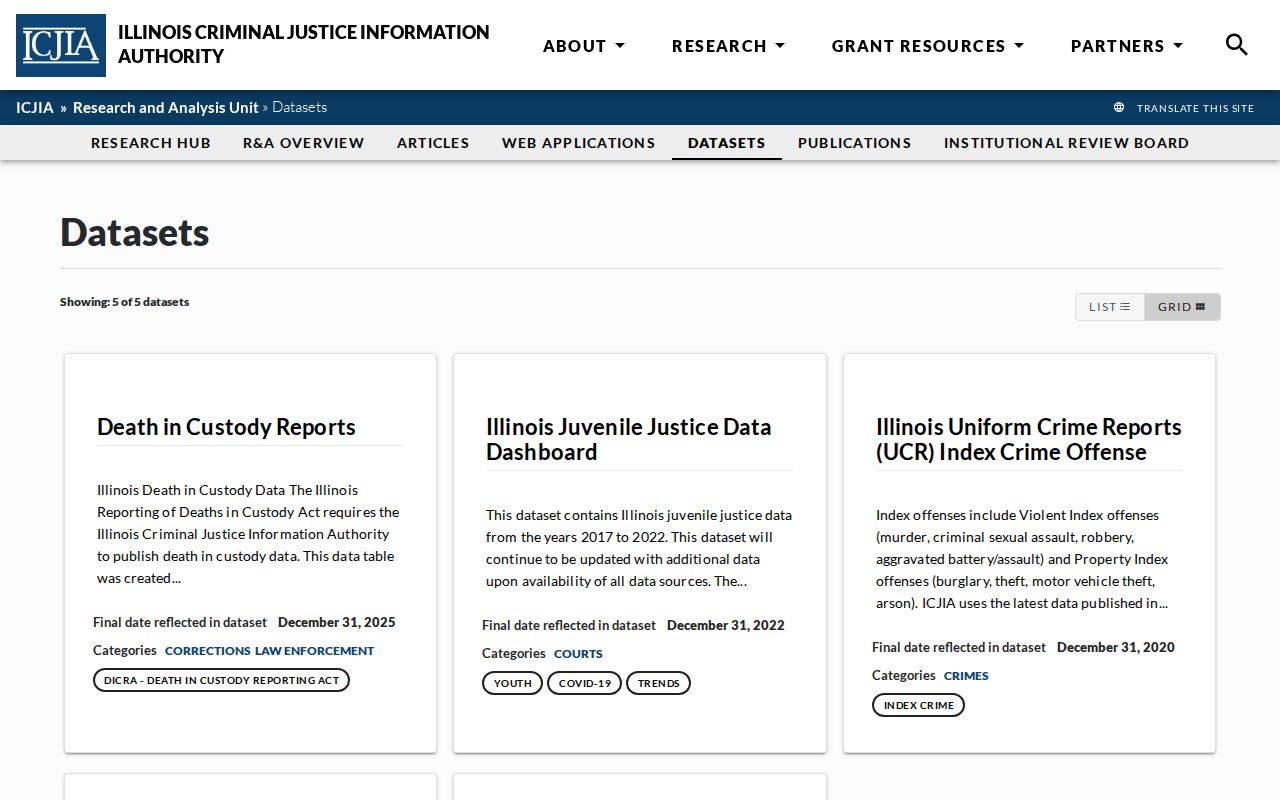
Those datasets can add context, but agency coverage and reporting periods still require careful reading.
Municipal Court Records in Mounds
No separate Mounds municipal case portal was verified. A citation should identify the court, appearance requirement, and case route. Criminal, traffic, and ordinance matters that reach the Pulaski court system can appear through Judici or the Circuit Clerk, subject to public-access limits. Do not assume every local ticket creates the same type of Circuit Court file.
| Court Name | Circuit Court of the First Judicial Circuit, Pulaski County, when the citation or charge is filed there |
|---|---|
| Case Types Heard | Felonies, misdemeanors, traffic, and ordinance matters routed to the circuit court |
| Case Lookup Channel | Judici public docket or Pulaski Circuit Clerk counter and phone |
| What the Docket Shows | Case number, parties, filing date, counts, hearings, orders, status, disposition, and financial entries when public |
| Copies & Fees | Ask the clerk for current copy and certification charges before ordering |
The court file is the place to confirm amended charges and outcomes. An arrest report states allegations; it does not supply the final adjudication.
Finding Mounds Criminal Cases
In Judici, choose Pulaski County, not a same-named county in another state. A case number is the strongest key. A person search can also use last and first name, then compare filing year, charge, date, status, and court details. Common names create false matches, and a blank result may reflect spelling, timing, sealing, an older file, or a matter never filed.
Free docket text is not always the whole case file. Images can be absent or subject to a charge. For a certified disposition, contact the Pulaski Circuit Clerk. Court records are strongest for the filed accusation, hearing trail, plea or trial result, and sentence. They are not substitutes for the Mounds police narrative or the county booking sheet.
Where Mounds Records Go
Once a Mounds event moves beyond the city report, county and state custodians add their own records. The prosecutor decides whether and what to file. The clerk maintains the resulting docket and orders. Qualifying fingerprint-supported arrest and disposition data can reach the Illinois State Police Bureau of Identification.
Record flow: Mounds PD › Pulaski County Courts › Illinois State Police Bureau of Identification
The order matters. A new report may exist before booking or court entries. Judici may show a disposition before the statewide repository has matched it to an arrest cycle. Public UCIA results are conviction information, so they omit non-convictions that may remain visible in a lawful public courthouse file. Compare source records when reviewing your own history.
Mounds Records Beyond Pulaski County
A local search has firm limits. CHIRP addresses reported Illinois convictions and requires authenticated access under the ISP process. It is broader than a Pulaski docket by geography but narrower in the public information it releases. IDOC's locator concerns state custody and supervision, not a person held before trial in the county jail.
The Census QuickFacts source provides county context for Mounds.
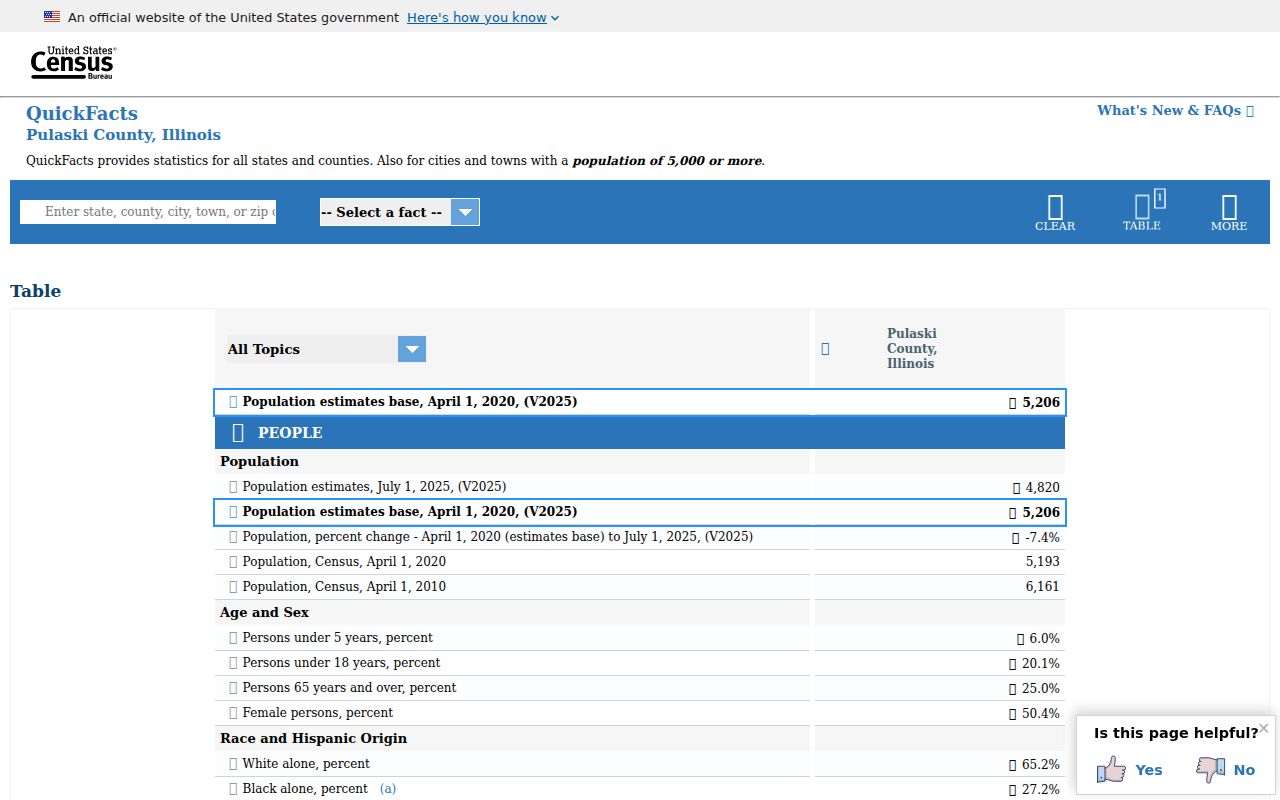
County context is useful only when it is kept distinct from city-level counts and records.
The FBI Crime Data Explorer provides reported agency data.
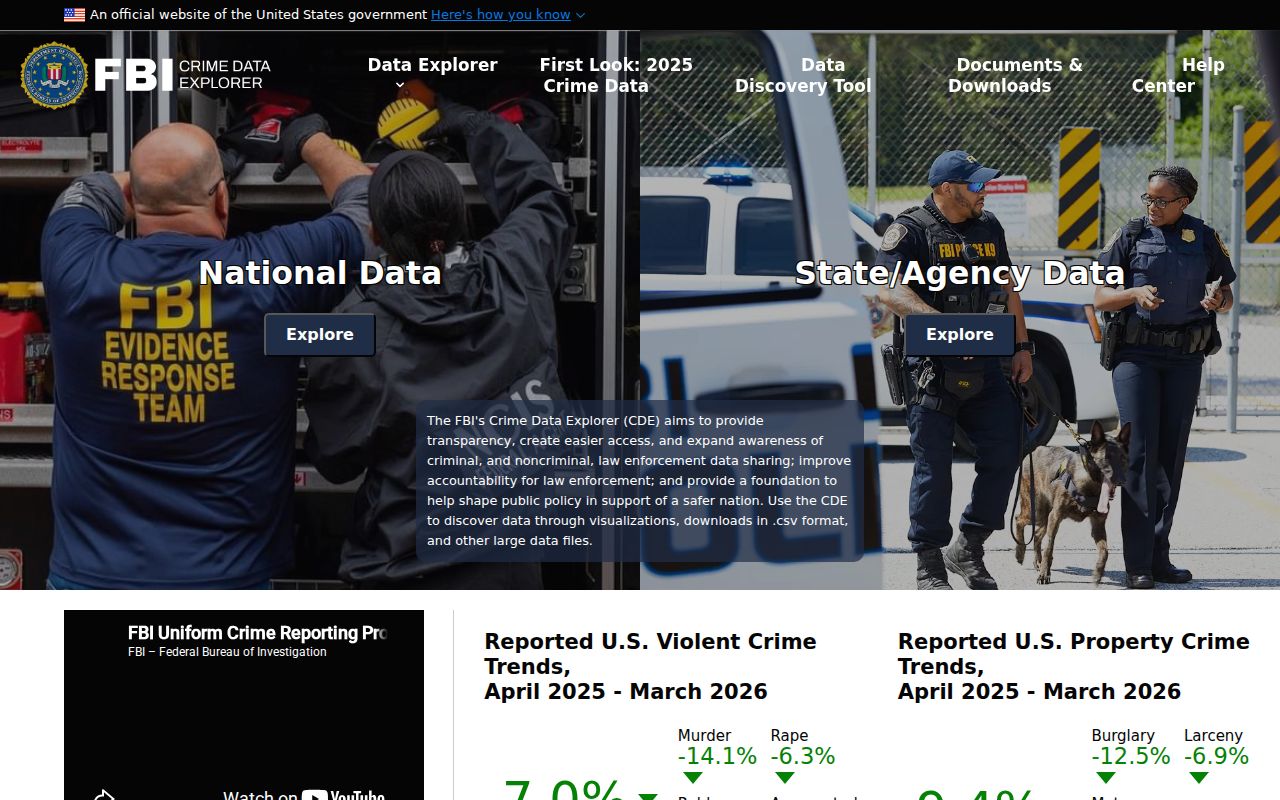
Coverage notes and reporting completeness should be checked before drawing conclusions from the display.
Mounds Criminal Record Fields
Each record type is keyed differently. A police request works best with an incident number, event time, exact location, and responding agency. A jail inquiry uses booking and custody facts. A court search uses a case number or a carefully verified name. An ISP record is organized around identity details, fingerprints, arrest cycles, and reported dispositions.
Keep a short comparison log during self-review. Note which custodian answered, the identifier it used, the date searched, and whether the response was a report, booking sheet, docket, certified disposition, or repository result. This prevents a common Mounds error: assuming that one clean search cleared every other system. It also gives an agency enough detail to trace a missing disposition or mismatched arrest cycle.
Mounds Custody Notification Options
People with a lawful need to follow custody changes should use the official notification channel rather than repeatedly treating a city report search as a live custody check. Notification services and jail records solve different problems. Enrollment does not replace verification with the holding agency when time-sensitive safety decisions arise.
The State of Illinois describes its victim notification service.
This state service complements, but does not merge, Mounds police, Pulaski booking, and court records.
Public Access Rules in Mounds
Illinois FOIA applies to city police records, but it does not guarantee release of every line or every piece of media. An agency may redact protected personal details and withhold material under a stated exemption, including information whose release would interfere with an active investigation. Court files follow court access rules, while sealed, expunged, juvenile, and otherwise protected records do not belong in ordinary public results.
A public conviction response from ISP is also not a complete rap sheet. Use official self-review and challenge procedures when identity or disposition data is wrong. Never pressure staff to disclose protected information about another person.
Key Statutes:
Illinois Freedom of Information Act, 5 ILCS 140 gives access to public agency records while defining exemptions and response rules.
Criminal Identification Act, 20 ILCS 2630 governs criminal-history records, access, sealing, expungement, and related state processes.
Uniform Conviction Information Act, 20 ILCS 2635 makes Illinois conviction information publicly available through the authorized state process.